Drugreporter October 1, 2026: Heroin to Save Lives: Inside HABIB, Bergen’s Heroin-Assisted Treatment Program By: István Gábor Takács.
Back in September 2025, we joined Arild Knutsen from the Association for Humane Drug Policy to film Huset Bergen, the pioneering peer-led house. We had very little time in Bergen, but we did not want to miss the city’s unique program: HABIB, the heroin-assisted treatment clinic, which had been running as a pilot program since 2022.
HAB stands for heroin-assisted treatment in Norwegian, B is for ‘Behandling’, the Norwegian word for treatment and IB means ‘in Bergen’, but Habib (حبيب) also means ‘my dearest’ in Arabic. The clinic was named by Marianne Pierron, a drug user activist who fought for and supported its operation.
What is Heroin-assisted treatment?
Heroin-assisted treatment (HAT) is a specialised form of opioid agonist treatment for people with severe, long-term opioid dependence who have not benefited sufficiently from conventional treatments such as methadone or buprenorphine. Patients receive pharmaceutical-grade heroin — diacetylmorphine — under medical supervision. The aim is to reduce illicit heroin use and its associated harms, while improving health, quality of life and stability.
The modern model of supervised heroin-assisted treatment was pioneered in Switzerland in the 1990s and was subsequently introduced in several other countries, including Germany, the Netherlands, Denmark, the United Kingdom and Canada. Despite a substantial body of research supporting its effectiveness for a small group of patients with particularly severe opioid dependence, HAT remains a relatively rare treatment internationally.
HAT in Norway
Norway introduced HAT as a pilot project in 2022, establishing dedicated clinics in Oslo and Bergen. When we visited HABIB in 2025, the future of the program was still uncertain: the pilot was scheduled to end in 2026, and researchers were evaluating whether the treatment should continue.
The evaluation, published in June 2026, found improvements in participants’ health, quality of life, safety and stability, alongside a substantial decline in illicit heroin use. Researchers recommended that the programs in Oslo and Bergen should continue, while also highlighting the high costs and intensive resources required by the treatment.
Then, in September 2026, the Norwegian government announced that heroin-assisted treatment would become a permanent treatment option. The clinics in Bergen and Oslo will continue operating and other health regions are from now also allowed to open their own HAT-clinics, marking the transition of Norwegian HAT from a pilot project to an established part of the health treatment system.
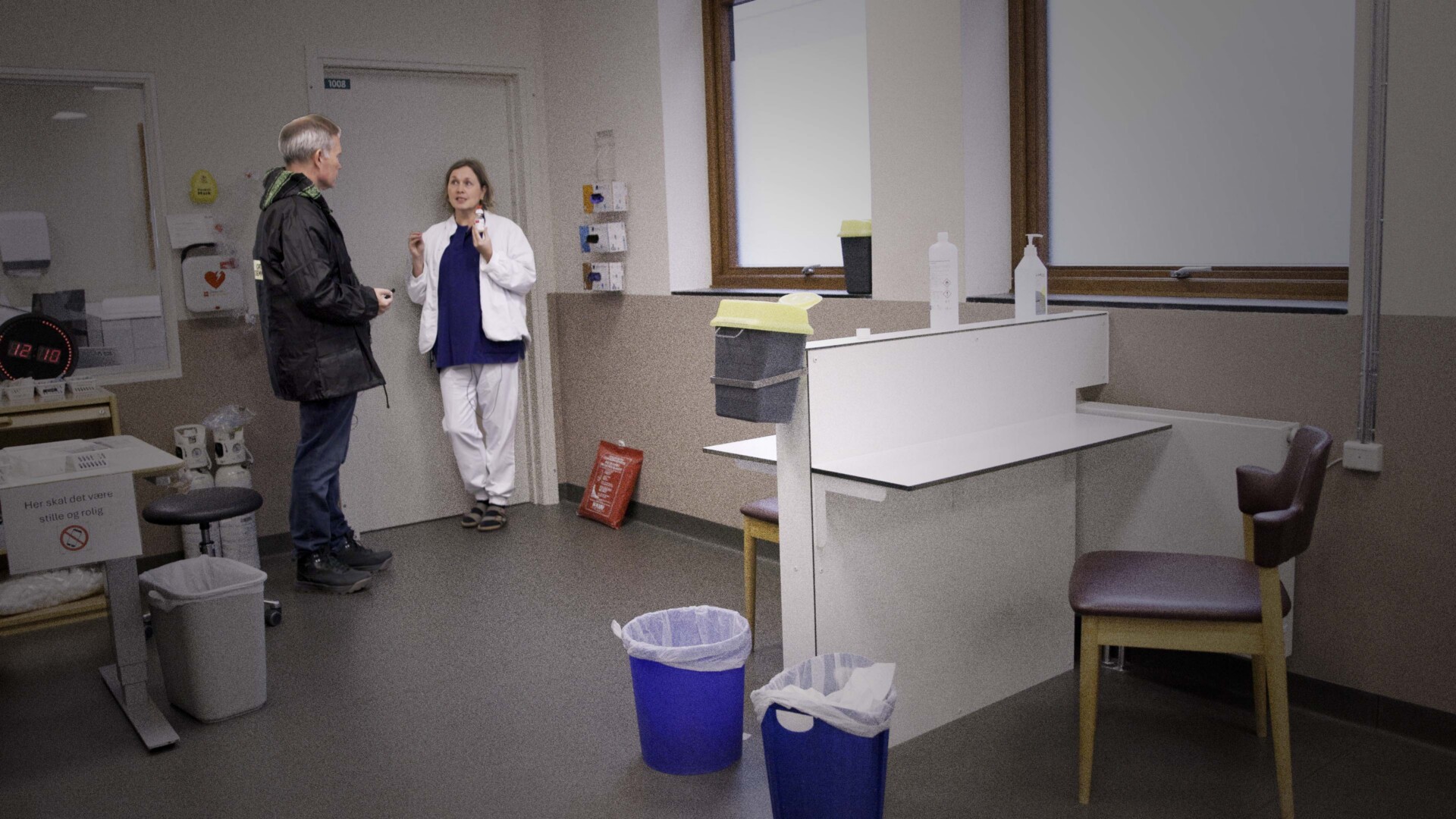
Join us now on a guided tour with Vibeke Buljovcic, Director of Heroin-Assisted Treatment (HABIB).
Interviews: Arild Knutsen
Article, camera, directing and editing: István Gábor Takács
Black and white photographs in the film: Morten Emil Hvaal